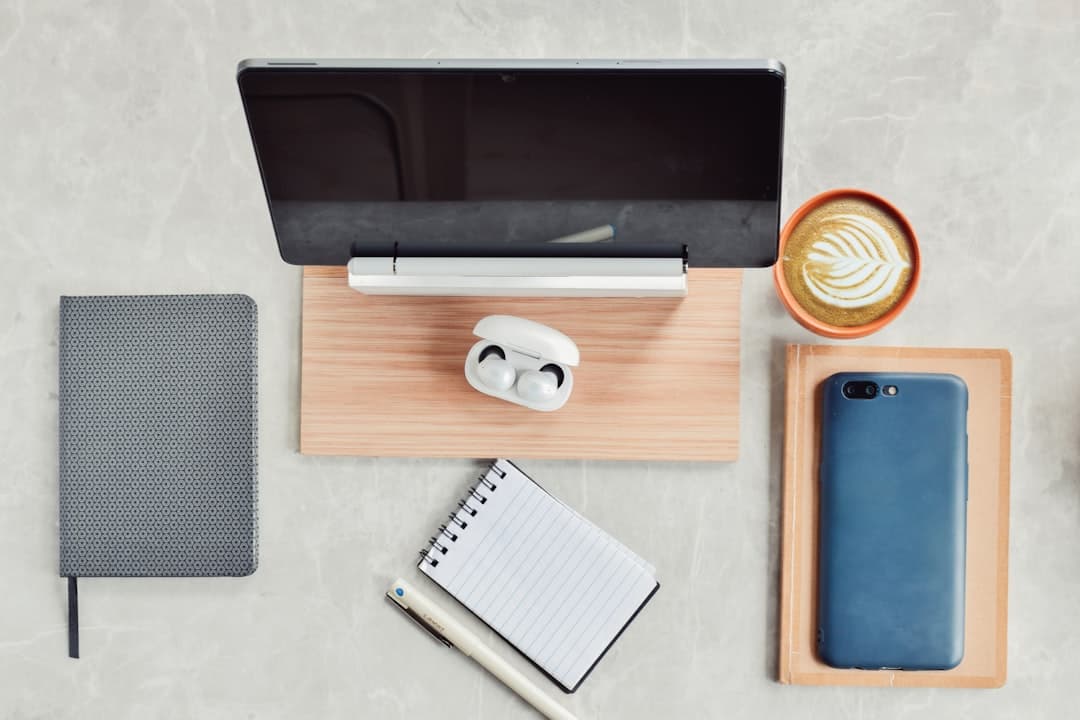
Smart Sourcing for Retail Office Supplies: Essential Gear for Remote Workers
Jump to section
When you shift from a traditional corporate office to a home workspace, buying retail office supplies can feel surprisingly overwhelming. Walk into any big-box store or browse an online retailer, and you are met with thousands of pens, organizers, cables, and desk accessories. Corporate supply closets used to provide these items automatically, but remote workers must curate their own setups from scratch.
Building an efficient home office isn't about clearing out store shelves or purchasing every trendy desk organizer you see on social media. It comes down to identifying what genuinely supports your daily workflow, avoiding unnecessary clutter, and making smart purchasing decisions. In this guide, you will learn how to evaluate retail office supplies critically, spot durable materials, and assemble a practical workspace tailored to your personal habits.
Rethinking Retail Office Supplies for the Home Workspace
Corporate procurement departments buy items in bulk based on volume discounts and broad utility. When purchasing for yourself, your criteria should be completely different. You need products that fit your specific room layout, match your aesthetic preferences, and stand up to daily individual use.
Standard retail office supplies often fall into two distinct categories: broad big-box staples and specialized ergonomic accessories. Big-box retailers offer great convenience for basic items like notebooks, pens, paper clips, and basic surge protectors. However, relying solely on general retail chains for specialized items like monitor arms or ergonomic seat cushions can sometimes lead to compromised quality or lack of adjustability.
When sourcing gear, consider where your money delivers the most impact. Spending extra on a durable desk pad or a sturdy cable management tray often pays off over time, whereas spending top dollar on decorative desk trays might simply consume valuable surface area without improving your productivity.
Core Supply Categories That Deliver Real Value
1. Desk Surface Protection and Cable Organization
A good desk pad is one of the most practical items you can buy from retail outlets. PU leather options are easy to wipe clean and resist spills, though they can occasionally feel sticky in warm humid weather. Felt desk pads provide warmth and damp sound, but they trap dust and pet hair easily and require regular lint rolling. Pick the material that matches your environment.
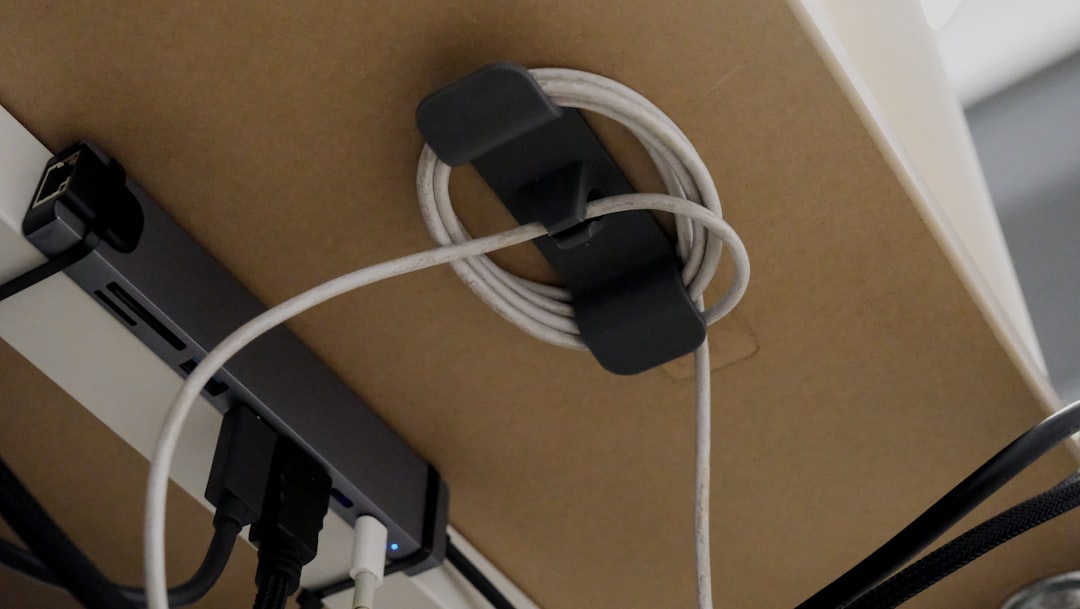
Cable management tools are equally essential. Simple adhesive cable clips and under-desk cable trays keep power cords off the floor and out of sight. While plastic clip packs from general retailers work fine for thin USB cables, heavier power bricks usually require robust wire trays screwed directly into the underside of your desk frame.
2. Analog Planning Tools: Paper and Pens
Even in a fully digital workplace, analog note-taking remains a powerful tool for visual clarity and rapid planning. When shopping for notebooks, look closely at paper weight (measured in GSM). Basic retail notebooks usually feature 70 GSM paper, which works for standard ballpoint pens but bleeds through when using gel pens or highlighters. Upgrading to 90 or 100 GSM dot-grid journals provides a much cleaner writing surface without adding significant cost.
Sticky notes are another area where small choices matter. Standard light-adhesive notes tend to curl and fall off monitors, while high-tack options stay put on plastic and wood surfaces. If you map out quick tasks or use visual time-blocking techniques, having a small stock of high-tack sticky notes is well worth the slight price bump.
3. Task Lighting and Screen Accessories
Overhead room lighting is rarely sufficient for long workdays in front of a monitor. A dedicated desk lamp with adjustable brightness and color temperature reduces eye strain during late afternoon hours. Monitor light bars, which mount directly on top of your display, are popular for small desks because they free up surface space. However, keep in mind that light bars can reflect glare on glossy screens or obscure built-in webcams if mounted incorrectly.

Practical Setup Tips and Comfort Considerations
Selecting the right retail office supplies goes hand-in-hand with setting up your desk for physically comfortable work sessions. Even small adjustments to item placement make a noticeable difference across a eight-hour workday.

Monitor Position: Position your primary screen so the top edge of the display sits at or slightly below eye level. If your monitor lacks height adjustment, a simple wood or metal desk riser works well. A stack of sturdy books can work temporarily, though it lacks stability and takes up surface area.
Keyboard and Mouse Alignment: Keep your mouse and keyboard close enough that your elbows remain near your body at roughly a 90-degree angle. Reaching forward continuously puts unnecessary tension on your shoulders and upper back.
Foot Support: If your feet do not rest flat on the floor after adjusting your chair height, consider adding an under-desk footrest to keep your legs properly supported.
Please note that these setup tips are for general comfort and practical workspace layout only. This guidance does not constitute medical advice. If you experience persistent back pain, wrist strain, or bodily discomfort, please consult a qualified healthcare professional.
Sourcing Strategy: Big Box vs. Specialized Retailers
Knowing where to buy specific office items saves both money and frustration. The table below breaks down common procurement options for remote workers.
Retail Channel | Best Items to Buy | Trade-offs to Keep in Mind |
|---|---|---|
Big-Box Retailers | Basic paper goods, surge protectors, basic pens, binder clips | Limited selection of specialized ergonomic accessories; lower material durability on budget furniture. |
Online Marketplaces | Desk pads, cable management kits, monitor arms, footrests | Variable quality control; requires careful reading of dimensions and verified buyer feedback. |
Specialty Stationery Outlets | High-GSM journals, archival pens, premium desk organizers | Higher cost per item; decorative items can easily clutter small workspaces if bought impulsively. |
Frequently Asked Questions
Where can I find affordable retail office supplies without sacrificing quality?
Focus on multi-packs for consumable items like pens, paper clips, and sticky notes at general big-box retailers. For long-term hardware accessories like desk pads or monitor stands, online marketplaces offer competitive pricing, but check product dimensions and material specs closely before ordering.
Is it better to buy office supplies in bulk or as needed?
For paper, printer ink, and basic writing utensils, buying in small bulk saves money over time. However, for organizational tools, desk accessories, and cable organizers, buy strictly as needed. Purchasing organizers before knowing your exact desk setup often results in unused plastic bins cluttering your drawers.
How do I keep retail office supplies from cluttering a small home workspace?
Adopt a one-in, one-out rule for desk accessories. Utilize vertical storage options like pegboards or under-desk drawers to keep surface areas clear. Only keep items on your main desk top that you use multiple times every day.
Building a Workspace That Serves You
Equipping your home office with retail office supplies is a practical process that evolves as your daily work habits change. Start with the essentials: reliable writing materials, surface protection, basic cable management, and proper lighting. Evaluate how your space functions over a few weeks before investing in extra accessories or organizers. By focusing on utility, durable construction, and straightforward functionality, you can build a clean, supportive home workspace that helps you stay focused every day.
Keep reading
Related Articles

Shared Two Person Home Office Layout Ideas: Desk Placement and Acoustics
Designing a functional two person home office layout requires balancing physical desk spacing, video call backgrounds, electrical loads, and acoustic isolation.
Wi-Fi 7 WFH router: Upgrading Your WFH Internet: Wi-Fi 7 Mesh Routers for High-Bandwidth Hybrid Roles
Learn how Wi-Fi 7 mesh routers eliminate video lag and slow file uploads for hybrid workers with high-bandwidth home office demands.
How to Soundproof Home Office Door for Privacy: Step-by-Step Guide
Block household distractions and secure confidential calls by learning how to seal air gaps, add mass, and soundproof your home office door effectively.